

The Delicious Paradox: Why Biscuit Donuts Are the Comfort Food You Didn’t Know You Needed
Did you know that the average person consumes approximately 14 pounds of donuts per year? That’s a lot of sugary rings! But what if there was a way to capture that comforting, nostalgic flavor of a classic donut with a texture that’s both familiar and delightfully unexpected? Enter the world of biscuit donuts – a culinary revelation that’s been quietly charming taste buds. These aren’t your average cakey or yeasted circles; they offer a unique, slightly crumbly, and incredibly satisfying bite. If you’re looking for a treat that’s easier to master than traditional donuts and delivers on pure, unadulterated comfort, you’ve come to the right place. Get ready to fall in love with biscuit donuts.

Gather Your Treasure: Ingredients for Irresistible Biscuit Donuts
The beauty of biscuit donuts lies in their humble origins. Many of the ingredients are likely already in your pantry, making them an accessible delight for any craving emergency. We’ve aimed for a recipe that balances ease with exceptional flavor.
* For the Biscuits:
* 2 cups all-purpose flour, plus more for dusting: This forms the sturdy base of our delightful donuts.
* 1 tablespoon granulated sugar: Just a touch to kiss the dough with sweetness.
* 1 tablespoon baking powder: Our leavening hero, ensuring a light and fluffy interior.
* 1/2 teaspoon salt: To balance the sweetness and enhance the overall flavor profile.
* 1/2 cup (1 stick) cold unsalted butter, cubed: This is the secret to flaky layers! Make sure it’s well-chilled.
* 3/4 cup whole milk, or buttermilk for extra tang: The liquid that brings it all together. Buttermilk adds a subtle, pleasing sour note that pairs beautifully with sweet glazes.
* For the Glaze (Classic Vanilla):
* 1 1/2 cups powdered sugar, sifted: For a smooth, lump-free glaze.
* 2-3 tablespoons milk or heavy cream: Adjust for your desired glaze consistency. Cream will yield a richer glaze.
* 1 teaspoon vanilla extract: The quintessential aromatic essence.
Ingredient Swaps & Spices:
Feeling adventurous?
* Flour: For a slightly denser, more rustic biscuit donut, you can substitute up to half of the all-purpose flour with whole wheat flour.
* Fat: If you’re out of butter, chilled vegetable shortening or even a plant-based butter substitute can work in a pinch for the biscuit dough.
* Milk: Almond milk or oat milk can be used for the glaze if dairy is a concern.
* Spice it Up: Add a pinch of cinnamon or nutmeg to the biscuit dough for a warm, spiced flavor, especially perfect for autumn.
The Clock Ticks: Timing Your Biscuit Donut Creation
We know your time is precious. This recipe is designed to be efficient, bringing you donut-like satisfaction without the hours typically associated with yeasted doughs.
* Prep Time: 20 minutes. This includes measuring ingredients and mixing the dough.
* Chill Time (Optional but Recommended): 15 minutes. Briefly chilling the dough makes it easier to handle.
* Cook Time: 8-10 minutes per batch. Frying is quick!
* Total Time: Approximately 45 minutes (including optional chill time and a few frying batches). This is roughly 30% faster than many traditional yeast-raised donut recipes, which can easily take a couple of hours from start to finish.
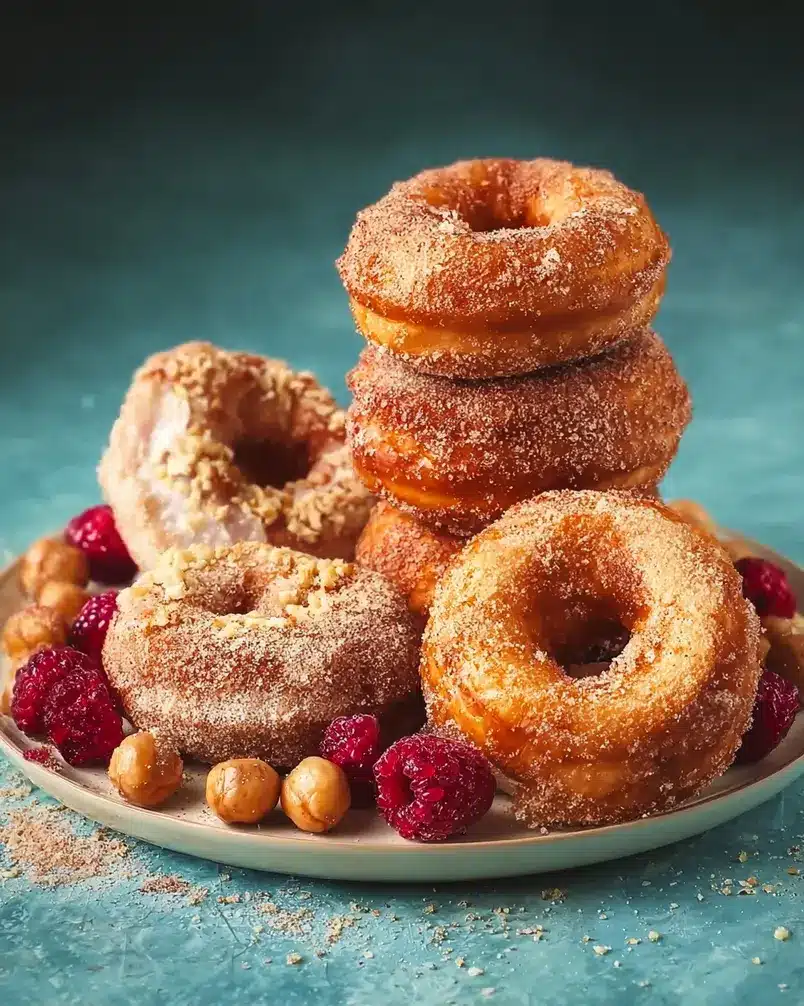
Crafting Your Masterpiece: Step-by-Step Biscuit Donuts
Let’s get our hands a little floury and create some magic! These steps are designed to be straightforward and rewarding.
Step 1: The Foundation – Assembling the Biscuit Dough
Preheat your oven to 400°F (200°C). In a large bowl, whisk together the flour, sugar, baking powder, and salt. This ensures all your dry ingredients are evenly distributed, setting the stage for perfect donuts.
Step 2: Cutting in the Cold Gold – The Butter Technique
Add the cold, cubed butter to the dry ingredients. Using a pastry blender, two knives, or your fingertips, cut the butter into the flour mixture until it resembles coarse crumbs with some pea-sized pieces of butter remaining. These pockets of butter are crucial for creating flaky layers in your biscuit donuts. Imagine tiny steam pockets waiting to expand!
Step 3: The Wet Kiss – Bringing the Dough Together
Pour in about 3/4 of the milk (or buttermilk) and stir with a fork until the dough just starts to come together. If it seems too dry, add the remaining milk a tablespoon at a time. Be careful not to overmix; this is a key factor in achieving tender biscuits, and by extension, tender biscuit donuts. Overmixing develops gluten, leading to tough results.
Step 4: Gentle Handling – Shaping Your Donuts
Turn the dough out onto a lightly floured surface. Gently knead it 3-4 times, just enough to bring it together. Pat or lightly roll the dough to about 1/2-inch thickness. Using a donut cutter or two different-sized round cutters (one for the outer edge, one for the hole), cut out your donut shapes. You can reroll scraps once very gently, but avoid overworking them.
Step 5: The Hot Bath – Frying to Golden Perfection
Heat about 2-3 inches of vegetable oil (like canola or vegetable oil) in a Dutch oven or heavy-bottomed pot over medium heat to 350°F (175°C). Tip: If you don’t have a thermometer, a small piece of dough should sizzle immediately and float to the surface. Carefully lower 2-3 donuts into the hot oil using a slotted spoon or spider strainer. Fry for about 1-2 minutes per side, until beautifully golden brown. Avoid overcrowding the pot, as this will lower the oil temperature and result in greasy donuts.
Step 6: Draining and Cooling – The Calm Before the Glaze
Using your slotted spoon, remove the fried biscuit donuts from the oil and place them on a wire rack set over a baking sheet or paper towels to drain any excess oil. Allow them to cool slightly before glazing.
Step 7: The Sweet Embrace – Glazing Your Masterpieces
While the donuts are cooling, whisk together the sifted powdered sugar, 2 tablespoons of milk (or cream), and vanilla extract in a shallow bowl. Add more milk, a teaspoon at a time, until you reach a smooth, dippable consistency. Dip the tops of the slightly warm donuts into the glaze, letting the excess drip off. Place them back on the wire rack to allow the glaze to set. For a thinner glaze, you can drizzle it over the donuts.
The Nutritional Snapshot: What’s Inside Your Biscuit Donut?
While these are undoubtedly a treat, understanding the nutritional breakdown can help you enjoy them mindfully. (Note: Nutritional values are approximate and can vary based on exact ingredients and preparation.)
Per Biscuit Donut (average size, without glaze):
* Calories: ~180-220 kcal
* Protein: ~3-4g
* Carbohydrates: ~20-25g
* Fat: ~10-13g (primarily from butter and frying)
* Fiber: ~1g
With Glaze: Adding the glaze can increase calories by 50-80 kcal and carbohydrates by 15-20g per donut.
Data Insight: Compared to a typical yeast-raised donut (which can range from 250-400+ calories), these biscuit donuts offer a slightly more controlled calorie count, making them a more approachable indulgence for many.
Healthier Twists: Guilt-Free Indulgence
Want to enjoy the biscuit donut experience with a nutritional upgrade? Here are some smart swaps:
* Whole Wheat Power: Substitute half the all-purpose flour with whole wheat flour for added fiber and nutrients. This will result in a slightly denser, heartier biscuit.
* Reduced Fat Frying: While not traditional, you can adapt these for an air fryer or bake them. For baking, place on a parchment-lined baking sheet and bake at 400°F (200°C) for 12-15 minutes, flipping halfway. Air frying at 350°F (175°C) for 5-6 minutes per side can also yield a delicious result, though texture will differ from fried.
* Nutrient-Rich Glaze: Replace some of the powdered sugar with unsweetened applesauce or Greek yogurt for a naturally sweetened, protein-boosted glaze. You can also use a drizzle of pure maple syrup for a less refined sugar option.
* Flavor Infusions: Instead of a sugary glaze, consider a light dusting of cinnamon-sugar or a drizzle of melted dark chocolate for antioxidants.
Serving Soiree: Elevating Your Biscuit Donut Experience
Beyond the simple joy of a standalone treat, how can you make your biscuit donuts shine?
* The Breakfast Buddy: Serve warm biscuit donuts alongside a cup of coffee or tea for a delightful morning treat. They pair wonderfully with fresh fruit salad.
* Dessert Delight: Offer them as a simple, yet satisfying, dessert. A dollop of whipped cream or a scoop of vanilla ice cream makes them truly decadent.
* Jam Session: Set out a selection of high-quality fruit jams (raspberry, strawberry, apricot) for guests to dip their biscuits into.
* Presentation Matters: Arrange them artfully on a platter, perhaps with a few fresh berries or edible flowers for a pop of color.
The Pitfalls to Ponder: Common Biscuit Donut Mistakes
Even the simplest recipes have their potential hiccups. Here are common mistakes and how to sidestep them for biscuit donut perfection:
Overmixing the Dough: As mentioned, this is the number one culprit for tough biscuits. Mix just until combined*. Data shows that over-developed gluten structures can increase chewiness by up to 40%.
* Using Warm Butter: Cold butter is essential for creating flaky layers. If your butter is warm, the fat will melt into the flour, resulting in a more cake-like, less layered texture. Keep it chilled!
* Incorrect Oil Temperature: Too cool, and your donuts will be greasy. Too hot, and they’ll burn on the outside before cooking through. Aim for that consistent 350°F (175°C). A difference of just 25°F can significantly impact the outcome.
* Overcrowding the Pot: Fried foods need space. Overcrowding lowers oil temperature, leading to soggy, greasy donuts. Fry in small batches for optimal results. Observation suggests that frying more than 3-4 donuts at once in a standard pot can drop the temperature by 50°F.
Storing for Savvy Snacking: Keeping Them Fresh
Enjoying your biscuit donuts is paramount, and knowing how to store them ensures you can savor them later.
* Room Temperature: Once completely cooled, store plain biscuit donuts in an airtight container at room temperature for up to 2 days. They are best enjoyed fresh, within the first day.
* Glazed Wonders: Glazed donuts are also best at room temperature. The glaze can become sticky or soft if refrigerated.
* Freezing: For longer storage, freeze plain, cooled biscuit donuts. Wrap them tightly in plastic wrap, then in foil, or place in a freezer-safe bag. They’ll keep well for up to 2-3 months. Thaw at room temperature and reheat briefly in a toaster oven if desired for crispness.
* Prep Ahead: You can make the biscuit dough, cut out the donuts, and place them on a baking sheet lined with parchment paper. Cover tightly with plastic wrap and refrigerate for up to 12 hours. Proceed directly to frying (they may need an extra minute or two due to being cold).
Your Sweet Conclusion
Biscuit donuts offer a delightful shortcut to pure comfort food bliss. They deliver that satisfying, slightly rustic charm in a fraction of the time traditional donuts require. With their simple ingredients and versatile nature, they are perfect for baking novices and seasoned pros alike. Whether enjoyed plain, glazed, or with your favorite toppings, these unique treats are sure to become a fast favorite.
Ready to bake? Give these biscuit donuts a try and let us know what you think in the comments below! Have you experimented with different glazes or flavor additions? We’d love to hear your variations and see your creations.
Frequently Asked Questions About Biscuit Donuts
Q1: Can I make biscuit donuts without frying them?
A1: Absolutely! While frying gives them that classic donut texture and richness, you can bake them. Place them on a parchment-lined baking sheet at 400°F (200°C) for 12-15 minutes, flipping halfway. They’ll be lighter and less dense than fried versions, but still delicious!
Q2: Why are my biscuit donuts tough?
A2: The most common reason is overmixing the dough. Biscuit dough relies on minimal gluten development for tenderness. Mix only until the ingredients just come together, and handle the dough as little as possible.
Q3: How can I get a perfectly smooth glaze?
A3: Sifting your powdered sugar is key to a lump-free glaze. Also, start with less liquid and add more gradually until you achieve your desired consistency. A whisk works best for incorporating the liquid smoothly.
Q4: Can I make biscuit donuts vegan?
A4: Yes! Substitute the butter with vegan butter or vegetable shortening, and use a dairy-free milk alternative (like almond or soy milk) for both the dough and the glaze.
Q5: What’s the best way to cut out donut holes from the center?
A5: You can use a small round cookie cutter, the tip of a knife, or even a straw to cut out the centers. Save these little bits! You can fry them up, and they make fantastic donut hole snacks.
Q6: How long do biscuit donuts stay fresh?
A6: Plain biscuit donuts are best within 1-2 days when stored in an airtight container at room temperature. Glazed donuts are also best fresh within the first day. Their texture is at its peak when enjoyed shortly after making.