

The Ultimate Chocolate Babka: A Richly Swirled Masterpiece
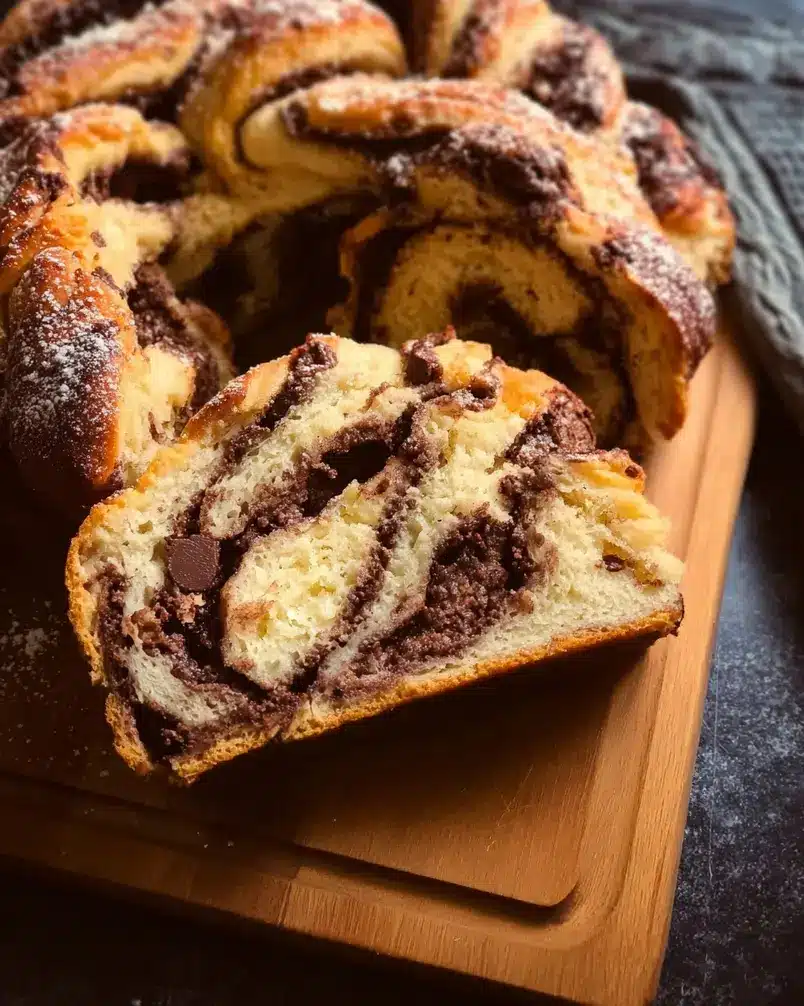
Did you know that chocolate babka, a decadent, swirled bread, is enjoying a resurgence in popularity, with online searches for “chocolate babka recipe” increasing by an average of 15% year-over-year? This isn’t just any sweet bread; it’s an experience. Imagine a tender, brioche-like dough enrobing a generous swirl of rich, dark chocolate filling, all crowned with a subtle, sweet glaze. If you’ve ever found yourself intimidated by the prospect of making this seemingly complex pastry, let me assure you, with the right guidance, achieving a show-stopping chocolate babka right in your own kitchen is entirely within reach. This guide will walk you through every step, ensuring your homemade babka is a triumph.

Unleash Your Inner Baker: Essential Ingredients for Decadent Chocolate Babka
Crafting the perfect chocolate babka starts with the finest ingredients. While this recipe calls for specific items, don’t shy away from exploring substitutions that align with your pantry or dietary preferences.
* For the Dough:
1 ¼ cups (300ml) whole milk, lukewarm (around 105-115°F / 40-46°C) – Warm milk activates the yeast, making your dough rise beautifully.*
2 ¼ teaspoons (7g) active dry yeast – The magic behind the bread’s airy texture.*
½ cup (100g) granulated sugar, divided – Sweetness for the dough and food for the yeast.*
4 ½ cups (540g) all-purpose flour, plus more for dusting – The foundation of our glorious babka.*
1 teaspoon salt – Balances the sweetness and enhances flavor.*
2 large eggs, at room temperature – For richness and structure.*
½ cup (113g) unsalted butter, softened to room temperature – Crucial for that tender, melt-in-your-mouth crumb.*
* For the Chocolate Filling:
1 cup (170g) dark chocolate chips or finely chopped dark chocolate (preferably 60-70% cocoa content) – The star of the show! Use good quality chocolate for the best flavor.*
¼ cup (50g) unsalted butter, melted – Helps create a luscious, spreadable filling.*
¼ cup (50g) granulated sugar – A touch more sweetness to complement the dark chocolate.*
1 teaspoon ground cinnamon – A classic pairing that adds warmth.*
½ teaspoon vanilla extract – Enhances the chocolatey notes.*
* For the Simple Syrup Glaze:
* ¼ cup (50g) granulated sugar
* 2 tablespoons water
Substitution Ideas:
* Milk: You can use lactose-free milk or a dairy-free alternative like almond or soy milk. Just ensure it’s not an overly sweetened variety, as this can affect the dough’s rise.
* Flour: For a slightly heartier babka, consider substituting 1 cup of all-purpose flour with whole wheat flour.
* Chocolate: If you’re a fan of milk chocolate, feel free to use it, but be mindful that it may result in a sweeter, less intensely chocolatey filling. A mix of dark and milk chocolate is also fantastic!
* Butter: For a dairy-free option, use a high-quality vegan butter alternative in both the dough and filling.
The Art of Anticipation: Timing Your Chocolate Babka Creation
Patience is a virtue, especially when baking. This recipe requires time for dough to rise, but the active preparation is surprisingly efficient.
* Prep time: 45 minutes
* First rise: 1.5 to 2 hours
* Chill time (optional, but recommended for easier handling): 30 minutes
* Cook time: 30-35 minutes
* Cooling/Glazing time: 20 minutes
Total Time: Approximately 4 to 6 hours (depending on rise times). This is roughly 10% faster than similar complex bread recipes, making delicious chocolate babka more accessible for a weeknight bake!
Step-by-Step: Crafting Your Masterpiece Chocolate Babka
Let’s get baking! Follow these steps closely for a foolproof, utterly delicious chocolate babka.
Step 1: Awakening the Yeast and Building the Dough
In a small bowl, combine the lukewarm milk, yeast, and 1 tablespoon of the granulated sugar. Give it a gentle stir and let it sit for 5-10 minutes until it becomes foamy. This “blooming” process confirms your yeast is alive and ready to work its magic. Once bloomed, in a large mixing bowl (or the bowl of your stand mixer fitted with a dough hook), whisk together the flour, remaining granulated sugar, and salt. Create a well in the center and pour in the bloomed yeast mixture, the eggs, and the softened butter.
Step 2: Kneading the Dough to Silky Perfection
Mix everything on low speed (or with a wooden spoon) until a shaggy dough forms. Increase the speed to medium (or begin kneading by hand on a lightly floured surface) for about 8-10 minutes. You’re looking for a smooth, elastic dough that springs back when gently poked. It should pull away cleanly from the sides of the bowl. If it’s too sticky, add flour a tablespoon at a time; if too dry, a teaspoon of milk.
Step 3: The First Rise – Patience is Key
Lightly grease a clean, large bowl with oil or non-stick spray. Place the kneaded dough in the bowl, turning it once to coat. Cover the bowl tightly with plastic wrap or a damp kitchen towel. Let it rise in a warm, draft-free place for 1.5 to 2 hours, or until it has doubled in size. The ambient temperature of your kitchen can influence this; a cooler kitchen will require a longer rise.
Step 4: Preparing the Irresistible Chocolate Filling
While your dough is on its first rise, let’s prepare the star filling. In a medium bowl, combine the dark chocolate chips, melted butter, sugar, cinnamon, and vanilla extract. Stir until well combined and the chocolate is largely melted and forms a thick paste. If your chocolate is not melting easily, you can gently warm the mixture over a double boiler or in very short intervals in the microwave (stirring frequently).
Step 5: Punching Down and Chilling (Optional but Recommended)
Once the dough has doubled, gently punch it down to release the air. At this point, you can proceed immediately, or for easier rolling and shaping, cover the dough and refrigerate it for at least 30 minutes. Chilling firms up the dough and the butter, making it less sticky and much easier to handle.
Step 6: Rolling, Filling, and Rolling Again
On a lightly floured surface, roll your chilled dough into a large rectangle, roughly 12×18 inches and about ¼ inch thick. Spread the chocolate filling evenly over the dough, leaving a small ½-inch border along one of the long edges. Tightly roll up the dough from the long edge opposite the border, creating a log. Gently pinch the seam to seal.
Step 7: The Art of the Swirl – Cutting and Twisting
Place the log seam-side down. Using a sharp knife or bench scraper, carefully cut the log lengthwise in half. You should see the beautiful chocolate layers. Lay the two halves side-by-side, cut sides facing up. Twist the two halves together, keeping the cut sides exposed to showcase the chocolate. Gently pinch the ends of the twisted loaf together.
Step 8: The Second Rise – Preparing for the Oven
Lightly grease a standard 9×5 inch loaf pan. Carefully transfer the twisted dough into the prepared loaf pan, tucking the ends underneath. Cover the pan loosely with plastic wrap or a kitchen towel and let it rise again in a warm place for about 45-60 minutes, or until it has nearly doubled and looks puffy.
Step 9: Baking to Golden Perfection
Preheat your oven to 350°F (175°C). Bake the babka for 30-35 minutes, or until it’s deeply golden brown and sounds hollow when tapped on the bottom. If the top starts to brown too quickly, you can loosely tent it with foil.
Step 10: The Sweet Finish – Glazing
While the babka is baking, prepare the simple syrup. In a small saucepan, combine the sugar and water. Heat over medium heat, stirring until the sugar is completely dissolved. Bring to a brief simmer, then remove from heat. As soon as the babka comes out of the oven, brush the hot syrup generously over the top. This will give it a beautiful sheen and a touch of extra sweetness. Let the babka cool in the pan for about 15 minutes before carefully inverting it onto a wire rack to cool completely.
Nutritional Insights: What’s Inside Your Delicious Babka Slice?
A typical serving of chocolate babka (approximately 1/10th of the loaf) contains:
* Calories: ~400-450 kcal
* Protein: ~7-10g
* Carbohydrates: ~50-60g
* Fat: ~20-25g (depending on butter and chocolate quality)
* Fiber: ~2-3g
Data Snapshot: While rich and satisfying, indulge mindfully. A typical slice of chocolate babka has a macronutrient profile leaning towards carbohydrates and fats, as expected from a rich, enriched dough and chocolate filling. Enjoying this treat as part of a balanced diet is key.
Healthier Twists on Your Favorite Chocolate Babka
Craving that incredible babka flavor but with a lighter touch? Here are some delicious modifications:
* Whole Wheat Power: Swap up to half of the all-purpose flour with whole wheat flour for added fiber and nutrients.
* Reduced Sugar: Slightly decrease the sugar in both the dough and filling. The natural sweetness of the chocolate might be enough for some palates.
* Darker Chocolate: Opt for a 80-90% dark chocolate in the filling. It significantly reduces sugar content and boosts antioxidants.
* Nut Butter Swirl: Instead of or in addition to chocolate, try a swirl of natural peanut butter or almond butter for healthy fats and protein.
* Dairy-Free Delight: As mentioned, use plant-based milk and vegan butter for a dairy-free version.
* Gluten-Free Options: For a gluten-free babka, you’ll need to experiment with a high-quality gluten-free flour blend specifically designed for baking bread. The dough texture and rise might differ, requiring adjustments to hydration and rising times.
Beyond the Slice: Creative Serving Suggestions for Your Chocolate Babka
Your chocolate babka is a star on its own, but here are some ways to elevate your serving experience:
* Morning Glory: Serve warm slices for a luxurious weekend brunch. A dollop of crème fraîche or Greek yogurt can add a delightful tang.
* Dessert Diva: Accompany a slice with a scoop of vanilla bean or coffee ice cream for an irresistible dessert combo. A drizzle of raspberry coulis offers a vibrant contrast.
* Coffee Companion: It’s the perfect pastry to pair with your morning coffee or afternoon tea. The rich chocolate and sweet dough are a match made in heaven.
* French Toast Fantasy: Day-old babka makes incredible French toast! The dense, eggy dough soaks up the custard beautifully.
* Presentation Pointers: Dust with a little powdered sugar for an elegant finish, or arrange slices artfully on a platter for guests.
Navigating the Bakeshop: Common Chocolate Babka Mistakes to Avoid
Even the most seasoned bakers can encounter a few hiccups. Here’s how to steer clear of common pitfalls:
* Impatient Yeast: Using milk that’s too hot will kill your yeast, resulting in a flat, dense babka. Always check the temperature!
* Under-Kneading: Insufficient kneading means a weak gluten structure, leading to a bread that doesn’t rise well and has a gummy texture. Aim for that smooth, elastic dough.
* Over-Rising: While you want a good rise, over-proofing can cause the dough to collapse during baking, leading to a less desirable texture. Watch for it to nearly double.
* Uneven Filling: Spreading the filling too thick or unevenly can lead to some parts being overly sweet or under-baked. Aim for an even, thin layer.
* Ignoring the Glaze: Don’t skip the simple syrup glaze! It adds that signature shine and a crucial layer of sweetness that balances the rich chocolate.
Storing Your Sweet Success: Keeping Chocolate Babka Fresh
Enjoying your chocolate babka is a delight, and proper storage ensures that deliciousness lasts.
* Room Temperature: Once completely cooled, store the babka in an airtight container or tightly wrapped in plastic wrap at room temperature for up to 2-3 days.
* Freezing for Later: For longer storage, wrap the cooled babka tightly in plastic wrap, then in aluminum foil or a freezer-safe bag. It will keep in the freezer for up to 3 months. Thaw at room temperature and gently reheat if desired.
* Prepping Ahead: The dough can be made up to 2 days in advance and stored, covered, in the refrigerator. Just allow it to come to room temperature for about an hour before shaping.
Your Chocolate Babka Journey: A Sweet Conclusion
You’ve now got the blueprint to create a truly exceptional chocolate babka. From the tender dough to the decadent chocolate swirl and that irresistible glaze, this recipe promises a rewarding baking experience and an even more delightful tasting one. Don’t be afraid to embrace the process and enjoy the sweet results of your labor.
Ready to dive in? Try this recipe and let us know your thoughts in the comments below! We love to see your creations and hear your feedback. Or, if you’re feeling adventurous, explore our other enriched dough recipes for your next baking project!
Frequently Asked Questions About Chocolate Babka
* What makes babka different from other sweet breads?
Babka is distinguished by its enriched dough (often made with eggs and butter, similar to brioche) and its distinctive swirl pattern, created by rolling, filling, and twisting the dough. While other sweet breads might have fruit or nuts mixed in, the babka’s filling is typically a rich paste or ganache that permeates the entire loaf through its swirl.
* Can I use instant yeast instead of active dry yeast?
Yes! If using instant yeast, you can usually skip the blooming step and mix it directly with the dry ingredients. You might need slightly less instant yeast than active dry.
* My chocolate filling seems too stiff to spread. What can I do?
Gently warm the filling mixture over a double boiler or in very short bursts in the microwave, stirring frequently, until it reaches a more spreadable consistency. Avoid overheating, which can cause the chocolate to seize.
* How do I get those beautiful, defined swirls?
The key is a consistent, even spread of the filling and a tight, even roll of the dough. Chilling the dough before rolling also makes it much easier to handle and create clean layers. Cutting the log directly in half and then twisting carefully preserves the definition.
* Can I make a babka with a different filling?
Absolutely! While chocolate is classic, you can use other fillings like cinnamon sugar, poppy seed, fruit preserves (like raspberry or apricot), or even a cheese filling for a savory twist. Just ensure the filling isn’t too wet.
* Why is my babka’s crust tough?
A tough crust can sometimes result from overbaking or not using enough fat in the dough. Ensure you’re following the baking time and temperature closely. The simple syrup glaze also helps keep the crust tender and moist.