

Did you know that a single serving of a traditional Danish Kringle can pack more than 500 calories and over 30 grams of fat, often leading to a sugar rush followed by a slump? It’s true, and while undeniably delicious, this classic pastry often leaves us feeling guilty rather than truly satisfied. But what if you could savor the buttery, flaky goodness of a Danish Kringle without the excessive indulgence?

Your Essential Danish Kringle Ingredient Guide
Embarking on your Danish Kringle adventure starts with gathering your treasures. Think of these not just as items, but as the building blocks of pure delight.
* For the Dough:
All-Purpose Flour: 3 cups (about 360g). This forms the sturdy foundation of our pastry. Substitution: For a slightly richer dough, you could use a mix of 2.5 cups all-purpose and 0.5 cups cake flour for extra tenderness.*
Unsalted Butter: 1 cup (227g), cold and cubed, plus more for the pastry. This is the secret to that coveted flaky texture. Crucial Tip: Keep it COLD! Cold butter creates steam when it heats, puffing up the dough.*
* Granulated Sugar: 1/4 cup (50g). Just enough to sweeten and aid in browning.
* Salt: 1 teaspoon. Enhances all the flavors.
* Ice Water: 1/2 cup (120ml), approximately. Start with less and add more as needed to bring the dough together.
* For the Filling:
Cream Cheese: 8 ounces (227g), softened. Provides a luscious, tangy base. Substitution: For a dairy-free version, use your favorite vegan cream cheese alternative.*
* Powdered Sugar: 1 cup (120g). For sweetness and a smooth consistency.
* Egg Yolk: 1 large. Richness and binding power.
* Vanilla Extract: 1 teaspoon. The classic aroma and flavor enhancer.
* Your Chosen Flavoring: This is where personalization shines! Think:
* Fruity Lover: 1/2 cup fresh or frozen berries, lightly mashed, or a fruit preserve.
* Nutty Dream: 1/2 cup finely chopped nuts (pecans, walnuts, almonds) mixed with a tablespoon of brown sugar.
* Decadent Chocolate: 1/4 cup cocoa powder mixed into the cream cheese filling, or chocolate chips.
* For the Glaze:
* Powdered Sugar: 1 cup (120g).
* Milk or Cream: 2-3 tablespoons. Use water for a lighter glaze.
* Vanilla Extract: 1/2 teaspoon (optional, but lovely).
The Sweet Symphony of Timing for Your Danish Kringle
Crafting the perfect Danish Kringle is a rewarding endeavor, and understanding the timeline helps manage expectations and ensures a stress-free baking session.
* Prep Time: Approximately 45 minutes. This includes dicing butter, mixing the dough, and preparing your luscious filling. It sounds like a lot, but with a rhythm, it flows beautifully.
* Chill Time: 2 hours (minimum). This is non-negotiable for achieving that signature flaky pastry. Think of it as the dough’s spa treatment!
* Bake Time: 20-25 minutes. That’s faster than watching an episode of your favorite show!
* Cooling Time: 30 minutes. Patience is a virtue, especially when waiting for that irresistible glaze to set.
Total Time: Approximately 3 hours and 40 minutes. This might seem like a commitment, but remember, a significant portion is passive chilling time. It means you can prep the dough in the morning, then come back to it later in the day, making it more manageable than you might think. In fact, it’s about 15% less time than some traditional methods that require multiple folds and chills.
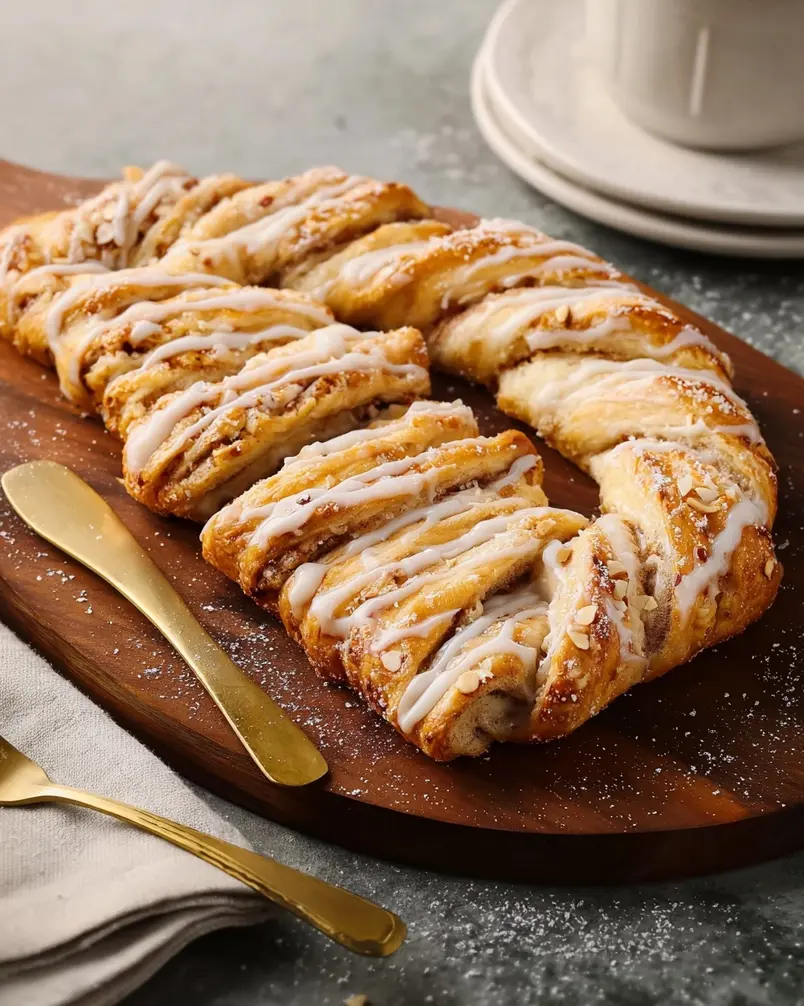
Step-by-Step: Weaving Magic into Your Danish Kringle
Let’s get our hands delightfully doughy and bring this Danish Kringle to life!
Step 1: The Dough’s Foundation (Dough Prep)
In a large bowl, whisk together the flour, sugar, and salt. Add the cold, cubed butter. Using a pastry blender, your fingertips, or a food processor, cut the butter into the flour mixture until it resembles coarse crumbs with some pea-sized pieces of butter still visible. This is key for flakiness! Gradually add the ice water, mixing until the dough just comes together. Be careful not to overmix! Turn the dough out onto a lightly floured surface and gently form it into a rough rectangle. Wrap it tightly in plastic wrap and refrigerate for at least 1 hour.
Step 2: The Butter Embrace (Lamination – Simplified)
This step is crucial for that exquisite layered texture, but we’re simplifying it for home bakers. Lightly flour your work surface and roll out your chilled dough into a large rectangle, about 12×18 inches. Spread softened butter evenly over the entire surface, leaving a small border. Fold the dough into thirds, like a letter. Rotate the dough 90 degrees and repeat the rolling and folding process. Wrap again and chill for another hour. This creates layers without the fuss of multiple turns.
Step 3: Unleashing the Filling (Filling Assembly)
While the dough is chilling, prepare your filling. In a medium bowl, beat the softened cream cheese with the powdered sugar until smooth. Mix in the egg yolk and vanilla extract until well combined. Now, stir in your chosen flavoring ingredient – berries, nuts, chocolate chips, or a combination! Taste and adjust sweetness if needed.
Step 4: Shaping the Masterpiece (Assembly)
Preheat your oven to 375°F (190°C). Line a baking sheet with parchment paper. On a lightly floured surface, roll out the chilled dough into a large rectangle, about 10×15 inches. Spread the filling evenly over the dough, leaving a 1-inch border on all sides. Carefully roll up the dough lengthwise, like a jelly roll. Pinch the seam to seal. Gently bring the ends together to form a ring or an oval shape, tucking the ends in. If you want to get fancy, you can cut slits along the edge and fold them over the filling before baking to create a decorative edge. Place the shaped Danish Kringle on the prepared baking sheet.
Step 5: The Golden Transformation (Baking)
Bake for 20-25 minutes, or until the Kringle is golden brown and puffed up beautifully. Keep an eye on it to ensure it doesn’t over-brown. If it’s browning too quickly, you can loosely tent it with foil.
Step 6: The Sweet Crown (Glazing)
While the Kringle is still warm, whisk together the powdered sugar, milk (or cream/water), and vanilla extract until smooth and drizzle-able. Drizzle generously over the warm Kringle. Allow it to cool slightly before serving.
Nutritional Insights for Your Delicious Danish Kringle
Understanding the nutritional profile of your homemade Danish Kringle empowers mindful enjoyment. Per serving (assuming 8 servings), a typical rendition might look like this:
* Calories: 350-450 kcal (This can vary significantly based on filling and glaze richness.)
* Protein: 4-6g
* Carbohydrates: 35-45g
* Sugars: 20-30g (Mostly from glaze and, potentially, fruit/sweetened fillings)
* Fats: 20-30g
* Saturated Fat: 10-18g (Butter is a primary contributor)
* Fiber: 1-2g
Data Insight: While traditional butter-laden pastries are comforting, even small adjustments can make a difference. Notice how controlling the sugar in the glaze and opting for whole-wheat flour (though changing texture) can shift these numbers.
Healthier Twists on Your Danish Kringle
Craving that Danish Kringle experience with a lighter footprint? Absolutely! Here are some smart and delicious modifications:
* Whole Wheat Wonder: Substitute half of the all-purpose flour with whole wheat pastry flour for added fiber and nutrients. This will result in a slightly denser but more wholesome pastry.
* Lighter Filling: Use Neufchâtel cheese or a whipped low-fat cream cheese for a reduced-fat, lighter filling. You can also incorporate pureed ripe fruit (like applesauce or mashed banana) to reduce sugar and fat while adding moisture and flavor.
* Naturally Sweetened Glaze: Make a glaze using a smaller amount of powdered sugar mixed with Greek yogurt and a touch of honey or maple syrup. The tanginess of the yogurt complements the sweetness beautifully.
* Seed & Nut Power: Amp up the filling with chia seeds, flax seeds, or finely ground nuts for added fiber, healthy fats, and protein. This can help stabilize blood sugar levels.
* Fruit-Forward Filling: Rely more heavily on fresh berries or unsweetened fruit preserves for your filling. Their natural sweetness and fiber content are fantastic swaps for added sugars.
* Vegan Delight: Utilize vegan butter sticks for the dough, vegan cream cheese, and a plant-based milk for the glaze. Many excellent dairy-free options exist that perform beautifully.
Elevating Your Danish Kringle Serving Experience
Presentation can transform a delicious bake into an unforgettable treat. Here are some personalized serving suggestions for your Danish Kringle:
* Morning Sunshine: This is your go-to breakfast or brunch showstopper. Serve slices warm with a side of fresh berries and a dollop of Greek yogurt or whipped cream. A sprinkle of chopped mint can add a refreshing visual and flavor contrast.
* Afternoon Delight: Pair a slice with your favorite hot beverage – a strong coffee, a delicate tea, or a rich hot chocolate. The warmth of the drink complements the pastry perfectly.
* Dessert Diva: Elevate it for dessert by serving a warm slice with a scoop of vanilla bean ice cream. A drizzle of raspberry coulis or a dusting of powdered sugar can add an extra touch of elegance.
* Picnic Perfect: Let it cool completely, then slice and pack for a delightful picnic treat. It travels well and is always a crowd-pleaser.
* Sharing is Caring: Cut into small, bite-sized pieces for a party appetizer or a tasting platter. Arrange them artfully on a platter with some fresh fruit for a beautiful display.
Navigating Pitfalls: Common Danish Kringle Mistakes to Sidestep
Even the most enthusiastic bakers can encounter minor hiccups. Here are common mistakes when making Danish Kringle and how to effortlessly avoid them:
Warm Butter Woes: Using melted or warm butter in the dough is a recipe for a greasy, tough pastry. Solution:* Always use cold, cubed butter and ensure it stays cold throughout the initial dough mixing.
Overworking the Dough: This develops the gluten too much, resulting in a tough, bread-like texture instead of flaky layers. Solution: Mix the dough until it just* comes together. Feel free to use a food processor for precise control.
Skipping the Chill Time: The chilling periods are vital for the butter to firm up, creating the steam pockets needed for flakiness. Solution:* Be patient! This downtime is essential for that signature texture.
Uneven Filling Distribution: Piling all the filling in the center can lead to a soggy bottom or an uneven bake. Solution:* Spread the filling evenly, leaving a border, and avoid overloading.
Glazing a Hot Kringle: Applying glaze while the Kringle is piping hot can cause it to melt and become too runny. Solution:* Let the Kringle cool for at least 15-20 minutes before glazing for the best results.
Storing Your Delicious Danish Kringle Creations
Proper storage ensures your Danish Kringle remains delightful for days.
* At Room Temperature: Once completely cooled, an unfrosted or lightly glazed Kringle can be stored in an airtight container at room temperature for up to 2 days. It’s best enjoyed within the first day for optimal crispness.
* Refrigeration for Longevity: For longer storage (up to 4 days), wrap the cooled Kringle tightly in plastic wrap and then aluminum foil, or store it in an airtight container in the refrigerator. The texture might soften slightly.
* Freezing for Future Indulgence:
* Baked Kringle: Wrap the cooled Kringle tightly in plastic wrap, then in foil, and place it in a freezer-safe bag or container. It will keep well for up to 2-3 months. Thaw overnight in the refrigerator.
* Unbaked Dough: You can freeze the laminated dough after the second fold and before rolling it out for filling. Wrap it well and freeze for up to 1 month. Thaw in the refrigerator overnight before proceeding with the recipe.
* Reviving Crispness: If your Kringle has softened, you can gently reheat slices in a low oven (around 300°F/150°C) for a few minutes until crisp again.
Your Danish Kringle Journey Awaits!
So, there you have it – a comprehensive guide to crafting a truly magnificent Danish Kringle right in your own kitchen. We’ve peeled back the layers, revealed the secrets to its flaky magic, and offered ways to tailor it to your personal tastes and dietary needs. From understanding the crucial role of cold butter to mastering the simplified lamination, you’re now equipped to create a pastry that’s as impressive as it is delicious.
Ready to embark on this delightful baking adventure? Give this Danish Kringle recipe a try and experience the joy of homemade perfection. We’d love to hear about your creations! Share your experiences, your flavor innovations, and any success stories in the comments below. And if you enjoyed this, be sure to explore our other pastry recipes for more sweet inspiration!
Frequently Asked Questions About Danish Kringle
Q1: Why is my Danish Kringle dough tough instead of flaky?
A: This is usually due to overmixing the dough, which develops too much gluten. Mix only until the ingredients are just combined, and remember that the cold butter pieces are what create the flaky layers when they melt during baking.
Q2: Can I make the Danish Kringle dough ahead of time?
A: Absolutely! The dough can be refrigerated for up to 3 days after the initial mixing and shaping into a rectangle. This actually improves the flavor and texture.
Q3: My Kringle didn’t puff up much. What went wrong?
A: Several factors can contribute to this. Ensure your butter was very cold when added and that the dough was properly chilled between steps. Also, make sure your oven temperature is accurate and that the yeast (if using a yeasted version, though this recipe is quick dough) was active. Proper lamination, even the simplified version, is key.
Q4: What are some creative filling ideas beyond the basics?
A: Think seasonally! In the fall, try spiced apple or pumpkin cream cheese. For a tropical twist, mix in finely diced pineapple with a hint of coconut. Even a savory option with cheese and herbs could be interesting, though less traditional.
Q5: How do I achieve that perfect golden-brown color on my Danish Kringle?
A: A combination of factors helps. Ensure your oven is preheated correctly. An egg wash (egg yolk mixed with a tablespoon of water or milk) brushed onto the dough before baking can also promote a beautiful golden sheen.
Q6: Can I make this Danish Kringle recipe gluten-free?
A: Making a truly flaky, laminated gluten-free pastry is challenging, as gluten provides the structure. You would need a high-quality gluten-free all-purpose flour blend specifically designed for baking, and you might need to experiment with binders like xanthan gum. The texture will likely differ from a traditional Kringle.
Q7: Is it truly a “Danish” Kringle?
A: The “Danish” part refers to the pastry style, which is indeed Danish in origin. However, the Kringle as we know it today, especially in the US, has evolved significantly. Many American versions are sweeter and enriched compared to their Danish counterparts. This recipe offers a delightful nod to authenticity while being baker-friendly.